




Windows Are Liars: How Glass, Sash, and Shutters Rewrite a Facade

If you want to understand an old building, start with its windows, but do not trust them. Windows are the feature most often altered, enlarged, blocked up, or replaced, and a facade can carry three or four generations of window work at once. Learning to read them is one of the most rewarding skills in historic walking, because windows quietly record changing fashions, new technologies, and the shifting fortunes of the people inside.
The first thing to notice is glass itself. Genuine old glass, made before the mid-nineteenth century, was blown and then flattened, leaving subtle ripples, bubbles, and a slightly wavy surface. Look at a reflection in an old pane and the world bends a little. Crown glass, spun into discs, often shows concentric rings and a thicker lump called a bullion where the pontil was attached; you occasionally find these roundels reused in later windows. By the Victorian period, cylinder and then drawn sheet glass became common, flatter and clearer. Modern float glass, introduced in the mid-twentieth century, is almost perfectly flat. A single sash window can therefore contain several eras of glass, patched over time.
Sashes, Casements, and Changing Tastes
The frame tells its own story. Early windows were often casements, hinged to open outward like doors. The vertical sliding sash, with its hidden weights and pulleys, arrived in the late seventeenth century and dominated English-speaking towns for two hundred years. Georgian sashes usually have thin glazing bars creating many small panes, because large sheets of glass were expensive. As glass got cheaper, bars disappeared and panes grew. A house with six-over-six sashes probably predates one with two-over-two, which in turn predates a plain single sheet of glass. But be careful: sashes were frequently upgraded in place, so the opening may be Georgian while the sash is Victorian.
Shutters, too, betray renovation. Internal shutters that fold into a recess tell you the wall was built thick enough to house them, a Georgian habit. External shutters, common in warmer climates and in some colonial towns, point to a different building tradition entirely. Bricked-up openings are everywhere once you start looking: ghost outlines, mismatched brick, and faint lintel scars show where a door or window once stood before a tax, a fashion, or a fire changed the plan.
What to Look For on Your Next Walk
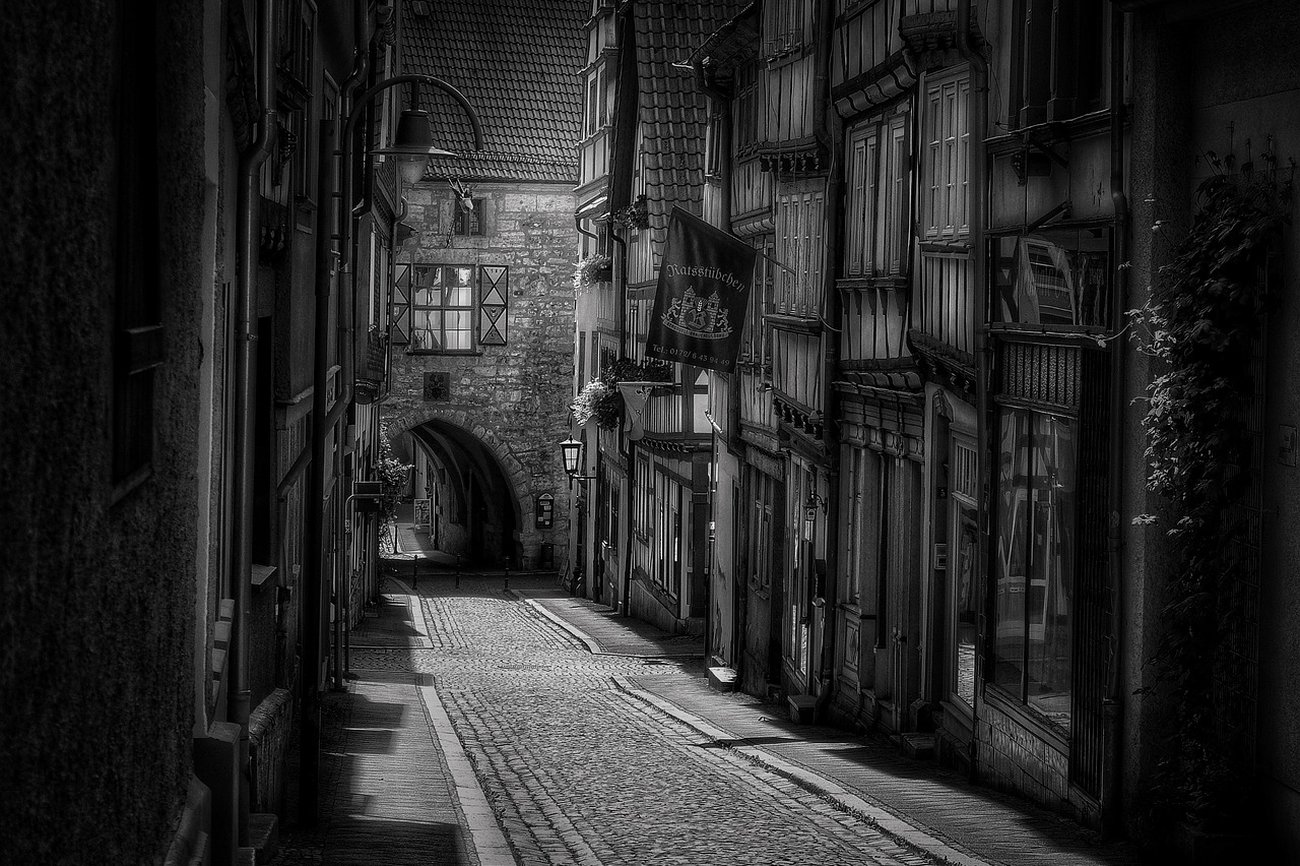
Stand across the street and compare windows along a terrace. Are they all the same size and pattern, or has one been widened, lowered, or turned into a shopfront? Do the glazing bars align with the floor levels inside, or do they float awkwardly? Are there windows that light nothing but a blank wall behind, the leftover of a demolished neighbour? These small inconsistencies are the real history of a street, and they are free to read. Windows may lie about the age of a building, but they never lie about the people who kept changing it.





Windows are the most frequently replaced part of any old building, which makes them both a trap for the unwary and a treasure map for the patient observer.
Street names are fossilised job adverts, preserving the trades, markets, and industries that once filled a neighbourhood long before anyone thought to write its history down.
Behind the polite frontages of many old streets lies a maze of courtyards, mews, and backlands where the real life of the neighbourhood once happened.
The way bricks are laid, and the size and colour of the bricks themselves, can date a wall, identify its builder's training, and even expose hidden alterations.
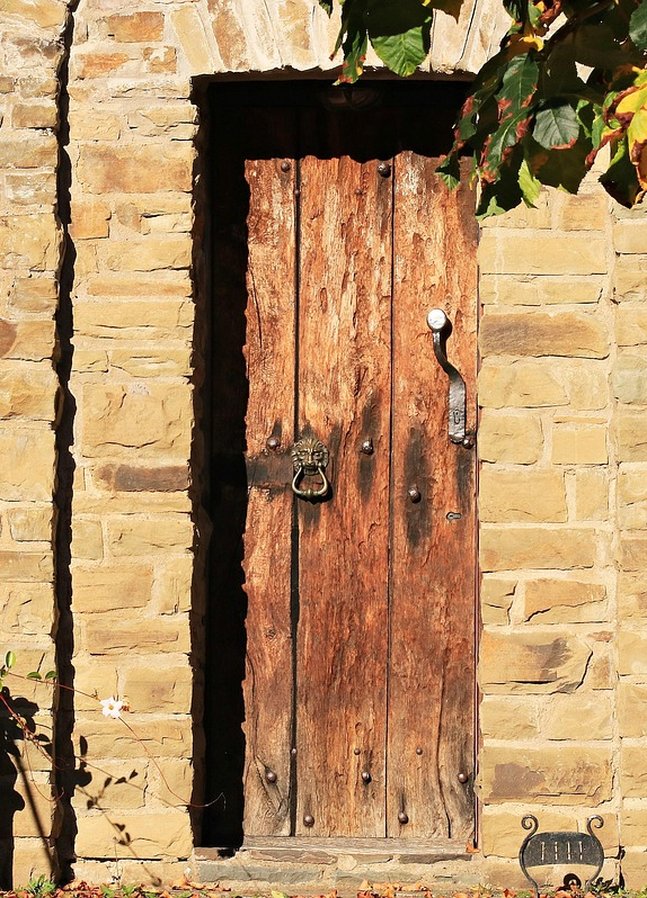
Before house numbers, a front door did the talking, announcing a builder's wealth, a family's taste, and the century they lived in.