



Brick by Brick: What Bond Patterns and Brick Sizes Reveal About Old Walls
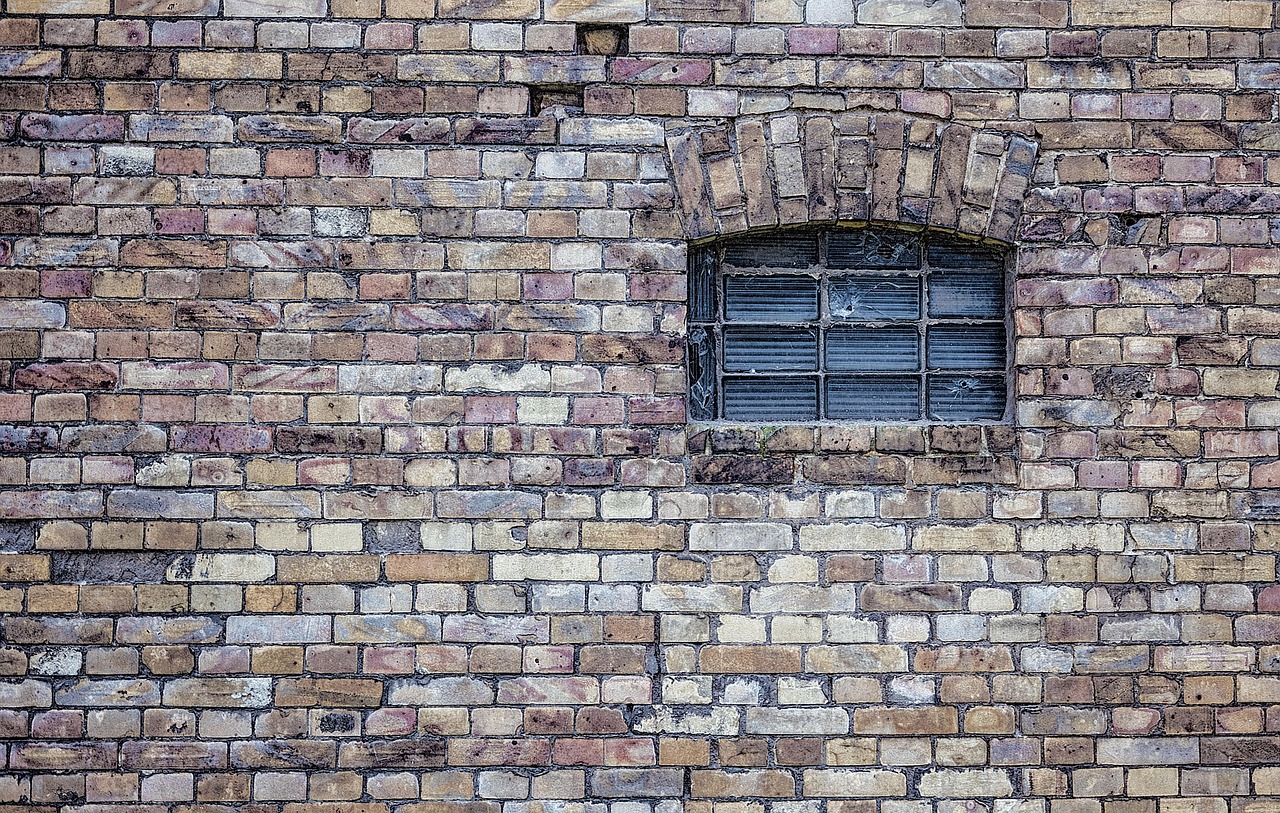
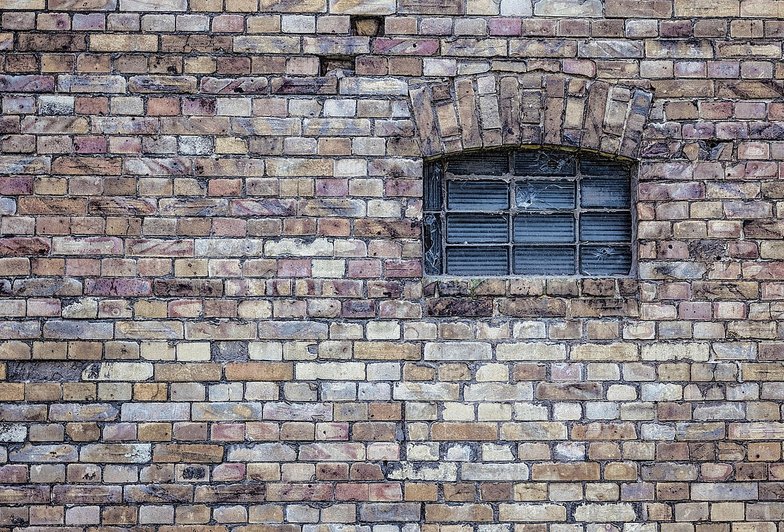
Brick is so common that we stop seeing it, yet every old brick wall is a record of decisions made by bricklayers, builders, and owners. The pattern in which bricks are laid, known as the bond, the size and colour of the bricks, and the mortar between them all carry information. Once you learn to read them, a plain wall becomes as legible as a page.
Start with the bond, the repeating arrangement of bricks. In English bond, alternating courses of long faces (stretchers) and short ends (headers) create a strong, thick wall; it is common in Tudor and Stuart work. Flemish bond alternates headers and stretchers within each course and became fashionable in the late seventeenth and eighteenth centuries, prized for its decorative checkerboard effect. Stretcher bond, where every brick shows its long face, is the standard modern pattern because it suits a single-skin wall, but it appears in older work too, often in garden walls and outbuildings. Rat-trap bond, with bricks laid on edge to create a hollow wall, was a cheap eighteenth- and nineteenth-century technique that saved materials and improved insulation.
Size, Colour, and the Story They Tell
Brick sizes changed over time, largely because governments taxed bricks by dimension or number. In Britain, a 1784 tax on bricks led makers to produce larger bricks to reduce the count, until a later act standardised sizes. As a rough guide, older handmade bricks tend to be smaller, more irregular, and softer, with a slightly uneven surface and a colour that varies from orange to deep red to purple, depending on the clay and the firing. Victorian machine-made bricks are more uniform and often harder. Twentieth-century bricks are more uniform still, and the pale yellow or buff 'London stock' brick, made from chalky clay with ash, is a distinctive marker of the eighteenth and nineteenth centuries.
Colour also reflects local geology. Red bricks come from clays rich in iron. Yellow and cream bricks come from lime-rich clays. Grey and blue bricks come from certain shales and are often very hard, used for engineering work and damp courses. A wall built from a mixture of colours may be using up odd batches, or it may have been repaired.
Spotting Alterations and Phases
The real skill is in noticing change. A patch of different bond, a sudden shift in brick size, or a vertical line of disturbed mortar often marks where a doorway or window was blocked, or where a building was extended. Look for 'toothing', the jagged edge left where one wall was intended to join another. Look at how the mortar is finished: old lime mortar is soft, pale, and often brushed back, while hard cement mortar is a modern repair that can damage old bricks by trapping moisture. Repointing in a different colour or style is a giveaway of later work.
Brick walls also record damage and reuse. Bricks with a dark, glazed end (called a 'bullnose' or 'header') were sometimes used decoratively. Bricks salvaged from an older building may appear in a newer one, slightly out of place. Fire-damaged bricks, cracked and discoloured, tell of a blaze that the street has otherwise forgotten. Next time you lean against an old wall, look at the pattern and the bricks themselves. The bricklayer is long gone, but the wall still shows exactly how the job was done.






The way bricks are laid, and the size and colour of the bricks themselves, can date a wall, identify its builder's training, and even expose hidden alterations.
Before house numbers, a front door did the talking, announcing a builder's wealth, a family's taste, and the century they lived in.
The narrow back lanes most walkers ignore were once the working arteries of the city, carrying coal, milk, gossip, and sometimes trouble.
Hand-painted ads for long-gone shops and products still cling to old buildings, offering a free museum of commercial history at street level.
Scattered across towns are humble stones and markers that once divided parishes, manors, and liberties, shaping everything from taxes to who could sell ale.