



Courtyards and Backlands: The Secret Geography Hiding Behind Terraces
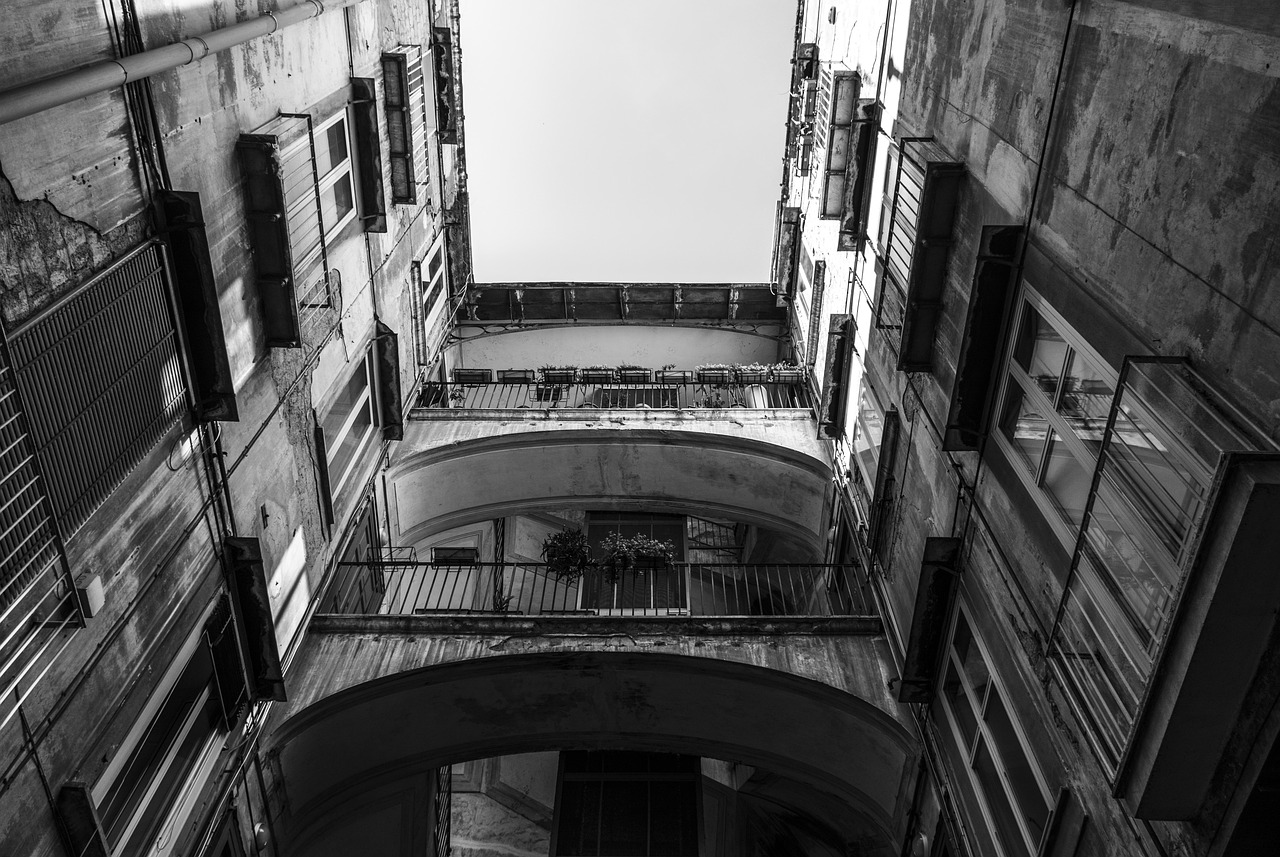
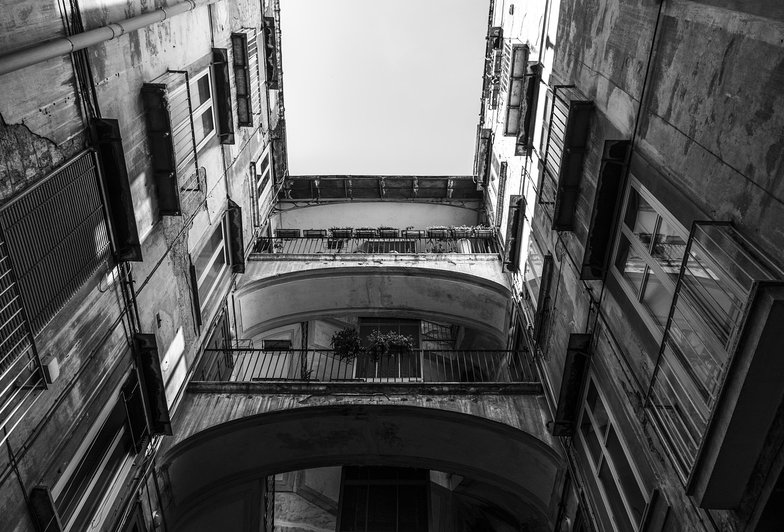
From the pavement, an old terrace looks orderly: front doors, railings, matching windows, a single continuous facade. Step through an archway or down a side passage, however, and the picture changes completely. Behind the polite front is a labyrinth of courtyards, mews, workshops, stables, drying greens, and back extensions that grew up over centuries with almost no planning at all. This backland geography is often the most revealing part of a historic walk, and it is usually the part visitors never see.
The reasons for this hidden world are practical. Frontages were for show, and in many towns they were regulated, taxed, or simply expensive. Land behind was cheaper and less visible. So families built kitchens, sculleries, and washhouses at the rear. Traders added workshops and stores. Wealthier households built stables and coach houses reached by a narrow arched entry. Over time these structures multiplied, filling every available square metre, until the back of a plot became as densely built as the front.
Mews, Yards, and the Working Backland
Mews are the most famous example. Originally stables arranged around a cobbled yard, they took their name from the royal hawk mews in London and spread to every fashionable town. After horses gave way to cars, many mews became garages, then studios, then highly desirable homes. Their wide arched entrances, hayloft doors, and cobbles still betray their origin. Other backlands served industry: brewers, bakers, printers, and metalworkers all needed space away from the street. In textile towns, you will find long, narrow yards built for handloom weavers, with big windows on the upper floors to catch the light.
Some courtyards were residential and desperately overcrowded. In the eighteenth and nineteenth centuries, courts and alleys behind main streets housed labourers, migrants, and the poor in conditions that reformers campaigned against. Many were cleared in the twentieth century, leaving only a gap in the terrace or a strange, too-wide passage where a court once stood. Others survive, sometimes beautifully restored, sometimes still gritty and overlooked.
How to Find and Read Them
Finding backlands is a matter of curiosity and a little nerve. Look for arched entries, narrow gaps between buildings, and passages that seem to lead nowhere. Check whether a terrace has an unusually deep plot behind it, or a rear access lane. Old maps are invaluable here: compare a nineteenth-century map with the modern street and you will often see courtyards and passages that have vanished, or survived under new names. On the ground, watch for clues: cobbles, mounting blocks, iron rings for tethering horses, old lantern brackets, and doors that open outward into a yard rather than inward from a street.
Remember that these are often people's homes today. Walk quietly, respect private gates, and never enter a courtyard that is clearly closed. The reward is a different kind of history: not the grand facade, but the working, crowded, improvisational life that actually kept a street running. The front of a building was its public face. The back was its real life, and much of it is still there if you know where to look.







Behind the polite frontages of many old streets lies a maze of courtyards, mews, and backlands where the real life of the neighbourhood once happened.
The way bricks are laid, and the size and colour of the bricks themselves, can date a wall, identify its builder's training, and even expose hidden alterations.
Before house numbers, a front door did the talking, announcing a builder's wealth, a family's taste, and the century they lived in.
The narrow back lanes most walkers ignore were once the working arteries of the city, carrying coal, milk, gossip, and sometimes trouble.
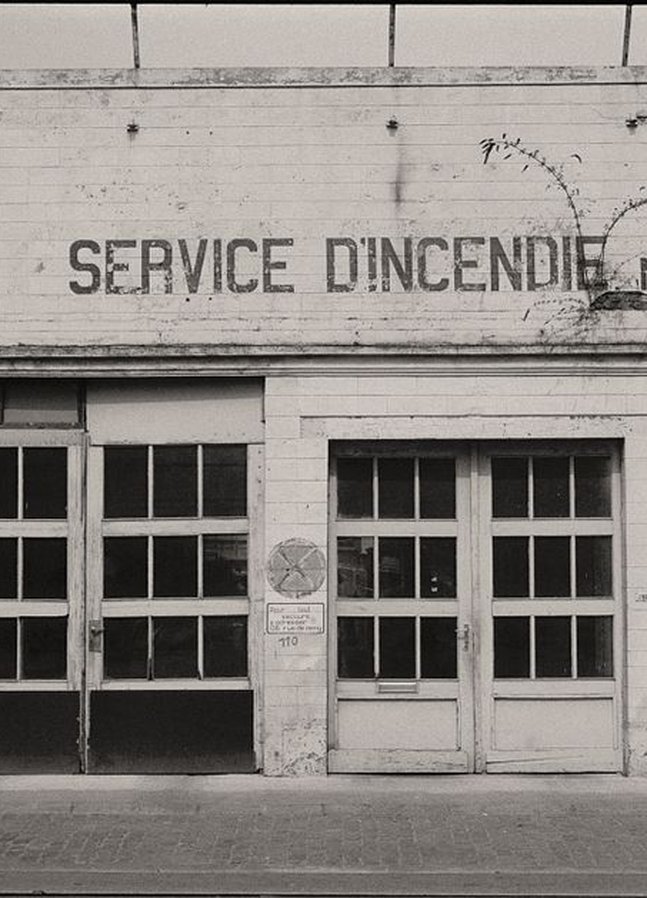
Hand-painted ads for long-gone shops and products still cling to old buildings, offering a free museum of commercial history at street level.