



Ghost Signs: The Faded Advertisements Still Whispering From Brick Walls
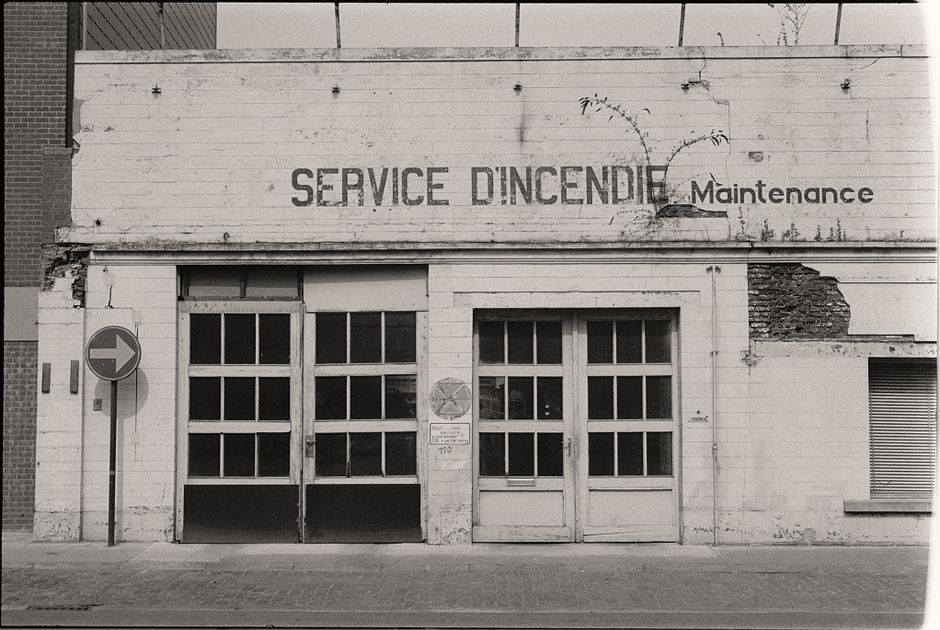
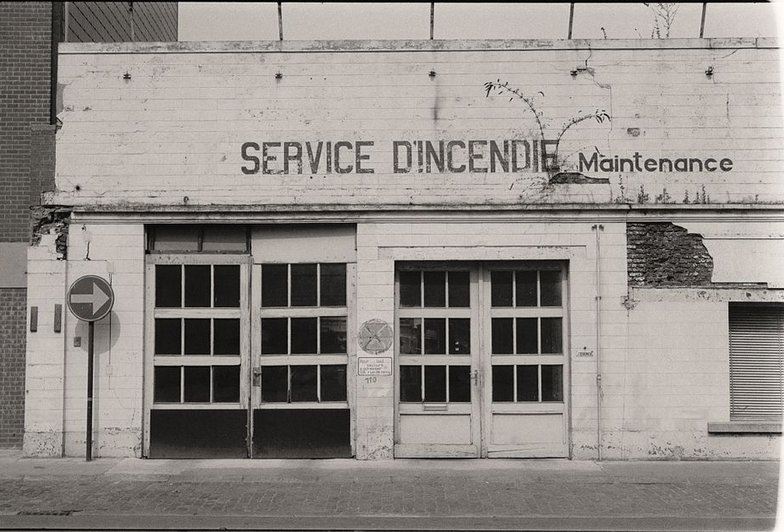
Look up the next time you walk through an older commercial district, and you may catch a ghost. Not the spectral kind, but the painted kind: faded letters on brick, advertising soap, ale, tobacco, or a shop that closed before your grandparents were born. These are ghost signs, the remnants of hand-painted advertisements that once covered the walls of nearly every town, and they are among the most rewarding discoveries on any historic walk.
Before billboards and digital screens, businesses hired sign painters to turn building walls into advertising space. A painter would mix pigments on site, often using white lead and linseed oil, and work from a scaled sketch, sometimes hanging from a scaffold or a bosun's chair. The results were bold, legible from a distance, and surprisingly durable. A well-painted sign could survive decades of rain and sun, and many have outlasted the companies that commissioned them.
Why Some Signs Survive and Others Vanish
Ghost signs endure for practical reasons. Lead-based paint bonded tightly to porous brick, and lime mortar absorbed it in ways modern acrylics cannot. When a building was repainted or reclad, the old sign was sometimes simply painted over, and the layers beneath protected the original. Over time, the newer paint flaked away, revealing the older message underneath like a palimpsest. Signs facing north, sheltered from direct sun, tend to fade slowest, which is why so many survive on the shaded sides of streets.
Others were deliberately preserved. When a business changed hands, the new owner sometimes kept the old sign and painted their own name below it, creating a stacked record of the building's commercial life. Occasionally you can trace three or four generations of businesses on a single wall, each layer a different era, a different typeface, a different idea of what looked modern.
How to Date and Decode a Ghost Sign
The typography is your first clue. Victorian signs often used elaborate serif lettering with flourishes, while early twentieth-century signs favored cleaner, more geometric styles. If the sign mentions a product, you can often date it by when that product was sold or how it was packaged. A sign advertising a brand that merged in a certain year, or a service that became obsolete with the arrival of electricity or the motor car, gives you a rough window. Prices, weights, and units of measurement are also telling: shillings and pence place a sign firmly before decimalization in Britain, for example.
Look for the small details. A painted shadow, a border, or a decorative underline can reveal the sign painter's individual style. Sometimes you can see where a letter was corrected or a word added later, showing the sign was updated rather than replaced. These imperfections are the fingerprints of the people who made them.
Ghost signs are disappearing. Weather, demolition, and redevelopment erase them quietly, and once gone they cannot be restored. That is what makes spotting one feel like a small act of rescue. When you find a faded advertisement on a brick wall, you are seeing a message meant for a public that no longer exists, sent across a century and still legible. It is history at eye level, and it costs nothing but a moment of looking up.




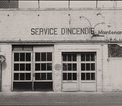

Hand-painted ads for long-gone shops and products still cling to old buildings, offering a free museum of commercial history at street level.
Scattered across towns are humble stones and markers that once divided parishes, manors, and liberties, shaping everything from taxes to who could sell ale.
Forget the grand facades — the humble fittings on old buildings are often the quickest way to work out when a street was built and who lived there.
Wrought iron railings, hinges, and window grilles carry the fingerprints of the craftsmen who made them, and learning to read them can date a building faster than any plaque.
Windows are the most frequently replaced part of any old building, which makes them both a trap for the unwary and a treasure map for the patient observer.