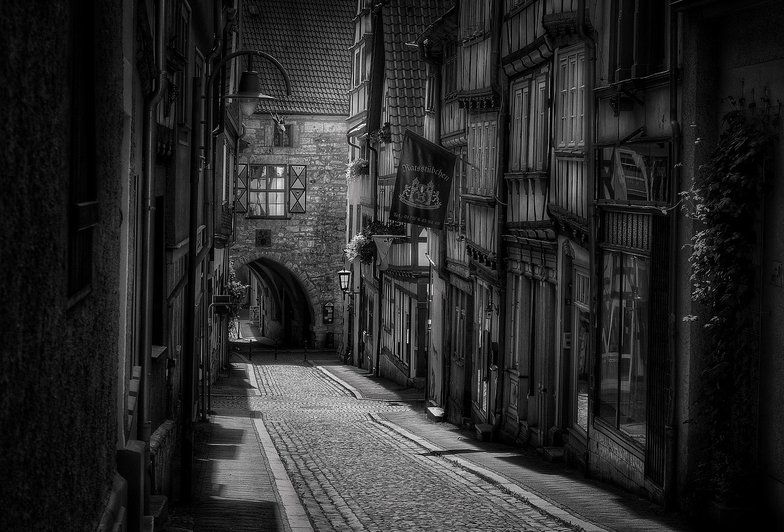






Alleyways With a Past: The Hidden History of Service Lanes
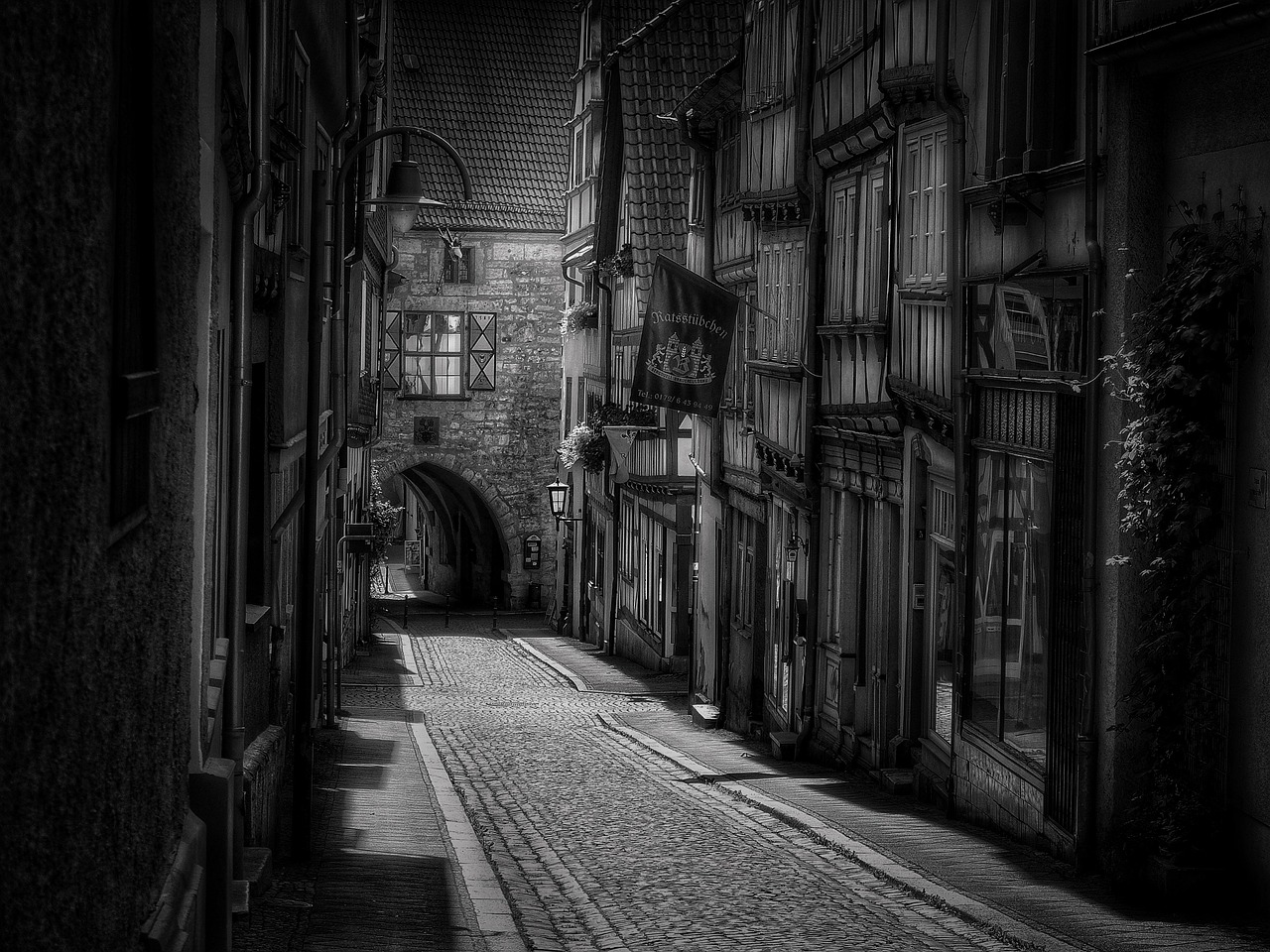
Main streets get the glory. They have the shopfronts, the statues, the plaques. But the real pulse of an old town often beat in its back lanes — the narrow, cobbled passages that ran behind terraces and townhouses, connecting kitchens to stables and servants to suppliers. These alleys were never meant to be seen, which is precisely why they preserve some of the most honest traces of daily life.
In the eighteenth and nineteenth centuries, almost everything a household needed arrived through the back. Coal carts rattled down the lane to fill cellar chutes. Milk sellers, rag-and-bone men, and knife grinders called from door to door. Laundry hung across the passage on lines strung between walls, and children played in the gaps between deliveries. The front of the house was for appearances; the back was for living.
The Workers Who Kept the Lanes Moving
The people who used these alleys rarely appear in official histories. Kitchen maids, stable hands, chimney sweeps, and delivery boys moved through them in near-invisibility, their labor the hidden machinery of respectable streets. Some lanes had their own informal economies: a doorway where a woman sold kindling, a wall where a cobbler set up his bench on dry days. Look for small blocked-up openings in the brickwork — these were once hatches for coal, or windows for sculleries where water was boiled and dishes washed.
Not all alley life was wholesome, and the historical record is honest about that. Some lanes earned reputations as rough or disreputable, especially after dark. Others served as escape routes, shortcuts for those who preferred not to be seen. This mix of the mundane and the shadowy is what makes old service lanes so compelling. They are the city's backstage, and backstages are always more interesting than the set.
Reading the Bricks and Cobbles
To decode an alley, look down and up. Cobblestones laid in a fan or curve pattern often indicate an older surface, replaced in patches where repairs were made. Drainage channels running down the center once carried away everything from rainwater to kitchen waste. Above, you may spot iron hooks still bolted to the wall — used for hoisting sacks, hanging washing, or securing shutters — and pipes that were clearly added long after the buildings went up, threading through gaps like afterthoughts.
Some lanes have been gated, paved over, or swallowed by later development, but many survive simply because they are still useful. Delivery vans now squeeze where coal carts once rolled. Residents hang planters where laundry lines used to cross. The function has changed; the shape has not.
The next time a walk takes you past a narrow gap between buildings, resist the urge to hurry by. Step in a few paces. Listen to how the noise of the street drops away. You are standing in a corridor that has carried the weight of ordinary lives for two hundred years, and it has stories to tell if you are willing to slow down and look.







The narrow back lanes most walkers ignore were once the working arteries of the city, carrying coal, milk, gossip, and sometimes trouble.
Hand-painted ads for long-gone shops and products still cling to old buildings, offering a free museum of commercial history at street level.
Scattered across towns are humble stones and markers that once divided parishes, manors, and liberties, shaping everything from taxes to who could sell ale.
Forget the grand facades — the humble fittings on old buildings are often the quickest way to work out when a street was built and who lived there.
Wrought iron railings, hinges, and window grilles carry the fingerprints of the craftsmen who made them, and learning to read them can date a building faster than any plaque.