


Boundary Stones and Parish Markers: The Invisible Lines Beneath Your Feet
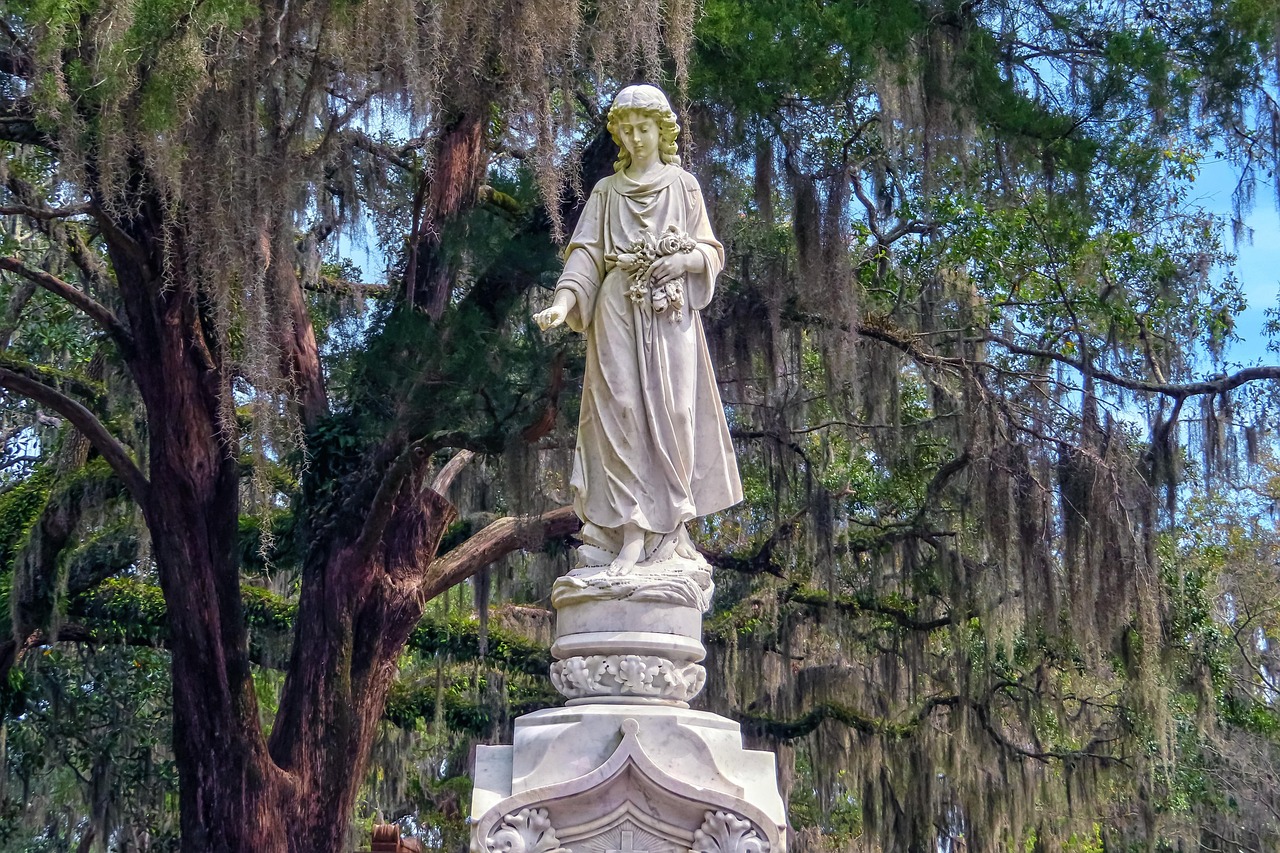
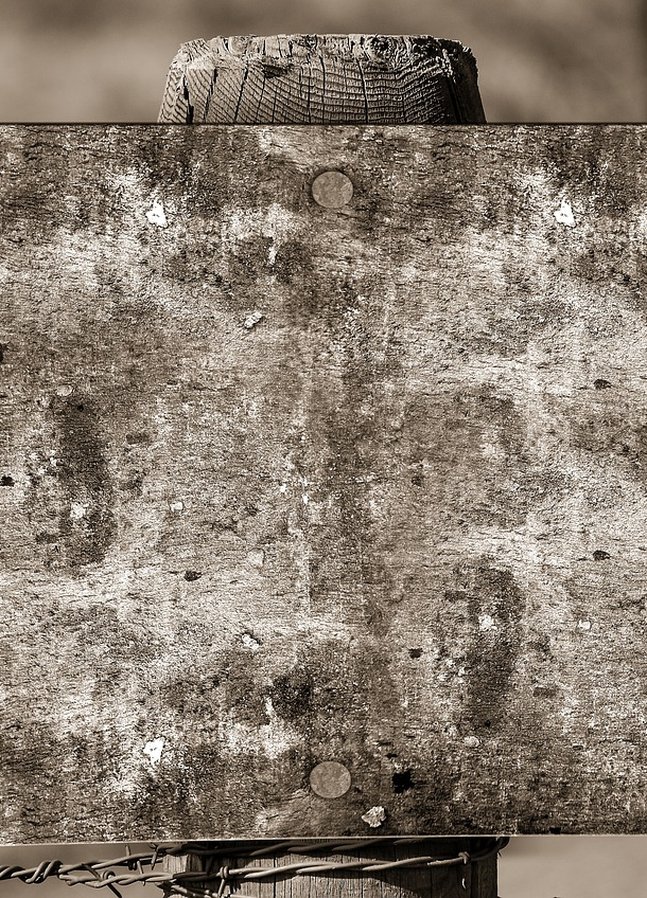
They are easy to miss: a weathered stone half-buried at the edge of a pavement, a metal plate set into a wall, a carved cross on a gatepost. These are boundary markers, and they once mattered enormously. Long before modern municipal government, towns were divided into parishes, manors, and liberties, each with its own rights, obligations, and officials. The lines between them were not abstract. They determined who paid which tax, who could graze livestock where, who was responsible for repairing a road, and even who had the right to brew and sell beer.
Because these boundaries governed real money and real privileges, they had to be visible. Communities marked them with stones, posts, crosses, and plaques, and they maintained them carefully, sometimes walking the line together once a year in a ceremony known as beating the bounds. These processions, often led by the parish priest and accompanied by children who were bumped against the markers so they would remember the spot, were part practical surveying and part community ritual.
What the Markers Actually Tell You
Boundary stones come in many forms. Some are simple uprights with a single letter — often the initial of a parish or landowner — carved into the face. Others carry dates, crosses, or numbers that correspond to a written boundary description. Metal markers, common from the nineteenth century onward, might bear the name of a railway company, a water board, or a municipal authority. In some towns you can find stones marking the edge of a former manor, a market's jurisdiction, or a plot of land granted to the poor for grazing.
The language on these markers is a doorway into old systems of power. A stone marked with the letters of a lord's name might indicate where his manorial court's authority ended. A marker inscribed with a date could commemorate a boundary dispute finally settled after years of argument. Some stones were deliberately placed in walls, under eaves, or beside doorways, where they were less likely to be moved or stolen — a reminder that boundary markers were sometimes tampered with by those hoping to shift the line in their favor.
Finding Them on an Ordinary Walk
You do not need a special map to start noticing boundary markers, though old parish maps and tithe records can help you predict where they might be. Look at the bases of walls at street corners, the edges of churchyards, the meeting points of lanes, and the banks of streams, which often served as natural boundaries. Check gateposts and the corners of old buildings. Once you start seeing them, you will realize how many survive, quietly doing a job that no longer exists.
These stones are a reminder that the ground beneath a modern town is layered with older geographies. The council ward you live in, the school catchment area, the postcode district — all of these are descendants of boundaries drawn centuries ago for entirely different reasons. The markers that remain are the physical evidence of those decisions, small monuments to the ordinary business of organizing land and people.
Next time you pass a worn stone at the edge of a pavement, give it a second look. It may be the only visible trace of a line that once decided who belonged where, and it has been standing there, patiently, for longer than anyone remembers.






Scattered across towns are humble stones and markers that once divided parishes, manors, and liberties, shaping everything from taxes to who could sell ale.
Forget the grand facades — the humble fittings on old buildings are often the quickest way to work out when a street was built and who lived there.
Wrought iron railings, hinges, and window grilles carry the fingerprints of the craftsmen who made them, and learning to read them can date a building faster than any plaque.
Windows are the most frequently replaced part of any old building, which makes them both a trap for the unwary and a treasure map for the patient observer.
Street names are fossilised job adverts, preserving the trades, markets, and industries that once filled a neighbourhood long before anyone thought to write its history down.