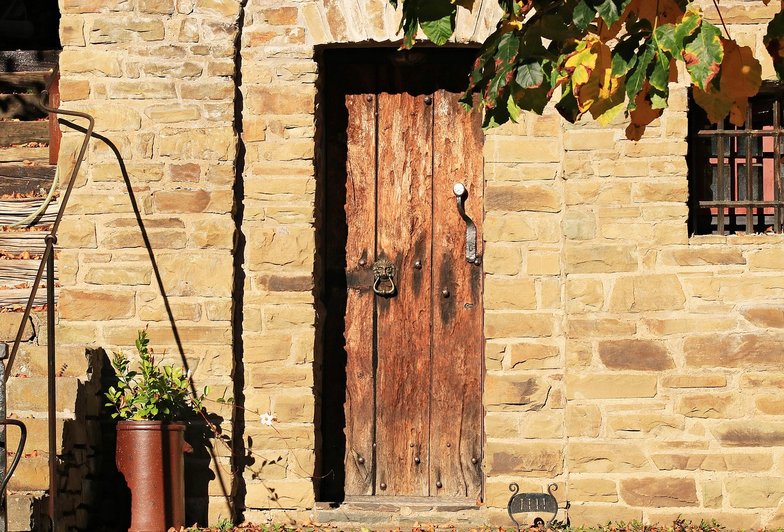






The Doorway That Told Time: Reading Old Front Doors Like a Historian
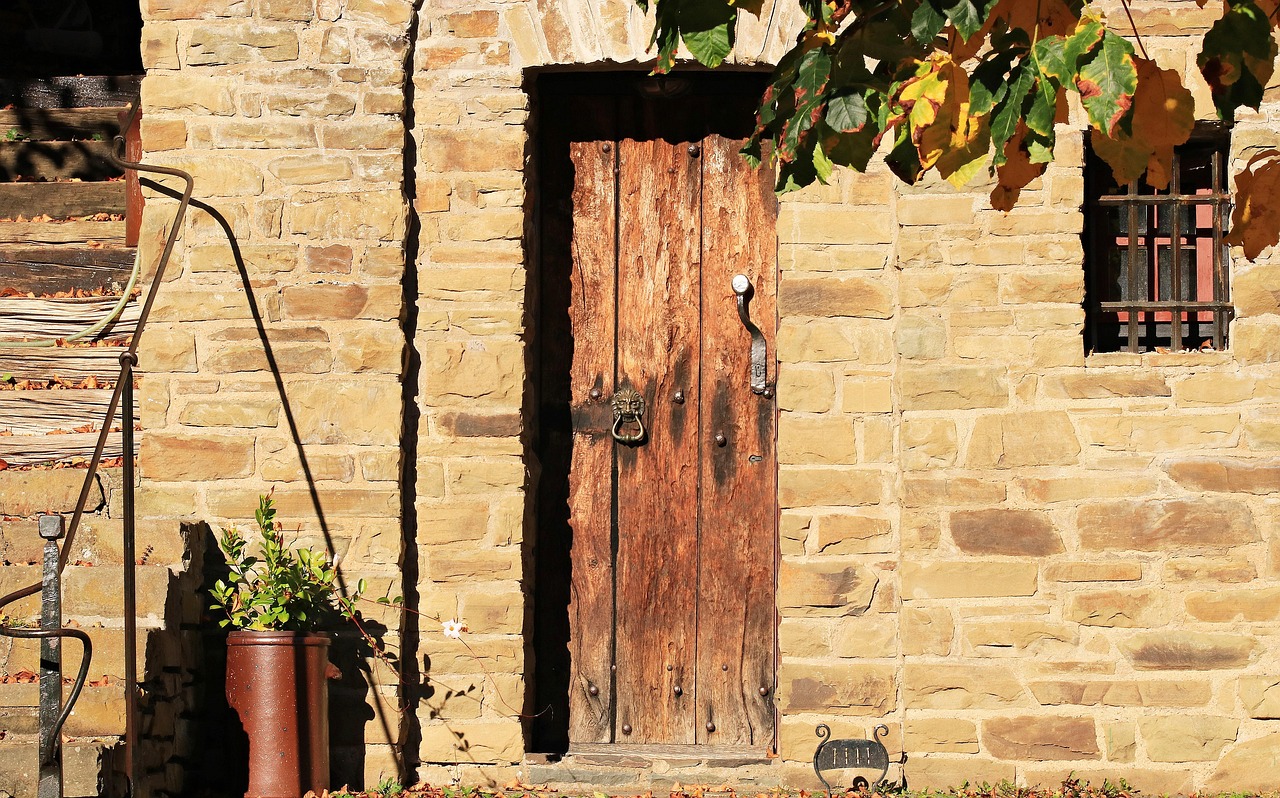
Walk down any old residential street and you will pass dozens of front doors without a second glance. But in towns that grew up before street numbering became common in the nineteenth century, the door was the address. Its style, height, color, and hardware told callers exactly what kind of household lived behind it, and once you learn to read those signals, a simple walk to the corner shop becomes a tour through three centuries of taste.
Start with the doorway's size. Georgian doors, popular through the 1700s and into the early 1800s, tend to be tall and narrow, often crowned with a fanlight — that half-moon window above the door that let daylight into a hallway before electric lighting existed. The fanlight was not just decorative. It was a status symbol: the more delicate the glazing bars, the more skilled the craftsman, and the more money the owner could spend. Look closely and you can sometimes spot patterns of spider webs, wheat sheaves, or radiating sunbursts worked into the iron or wood.
Panels, Knockers, and the Language of Hardware
The panels of a door carry their own story. Six-panel doors were the standard for modest Georgian homes, while grander houses often boasted eight panels with the top two glazed. By the Victorian era, doors grew heavier and more ornate, often with carved brackets, deep moldings, and a pair of columns flanking the entrance. The knocker moved too — from a simple iron ring to brass lions' heads, hands clutching balls, or the famous doctor's knocker, a serpent coiled around a rod, which once signaled that medical help was available inside.
Door colors were never random. In some port cities, red doors marked the homes of sea captains, while green was said to bring luck. In others, the color of a door could indicate political allegiance during tense periods of history, though such claims are often romanticized. What is certain is that paint was expensive, and a well-maintained door announced a household that could afford upkeep. Faded layers, visible where paint has chipped, are like tree rings — each coat a different decade, a different owner, a different fashion.
What to Look For on Your Next Walk
Next time you stroll an older street, slow down at the doors. Check the step: worn stone or tile tells you how many feet have crossed it. Look for boot scrapers set into the wall beside the entrance, a reminder of unpaved, muddy roads. Notice whether the door sits flush with the facade or is recessed, and whether the fanlight above still holds its original glass, rippled and slightly green with age. None of these details appear on a plaque or in a guidebook, yet together they form a quiet archive of everyday life.
Old doors survive because they were built to. Oak and elm, thick joinery, and hinges meant to last generations have outlived the people who first swung them open. When you pause to admire one, you are not just looking at wood and brass. You are reading a sentence in the long, ongoing story of the street.






Before house numbers, a front door did the talking, announcing a builder's wealth, a family's taste, and the century they lived in.
The narrow back lanes most walkers ignore were once the working arteries of the city, carrying coal, milk, gossip, and sometimes trouble.
Hand-painted ads for long-gone shops and products still cling to old buildings, offering a free museum of commercial history at street level.
Scattered across towns are humble stones and markers that once divided parishes, manors, and liberties, shaping everything from taxes to who could sell ale.
Forget the grand facades — the humble fittings on old buildings are often the quickest way to work out when a street was built and who lived there.