



The Blacksmith's Ghost: How Ironwork Betrays a Building's True Age
Walk down any old town street and you will pass dozens of iron features without giving them a second glance: railings, hinges, boot scrapers, window guards, hooks, and brackets. Yet ironwork is one of the most honest witnesses a building has. Stone can be re-faced, brickwork repointed, timber painted over, but hand-forged iron keeps the marks of its maker for centuries, and those marks can tell you roughly when a building went up, when it was altered, and sometimes who paid for it.
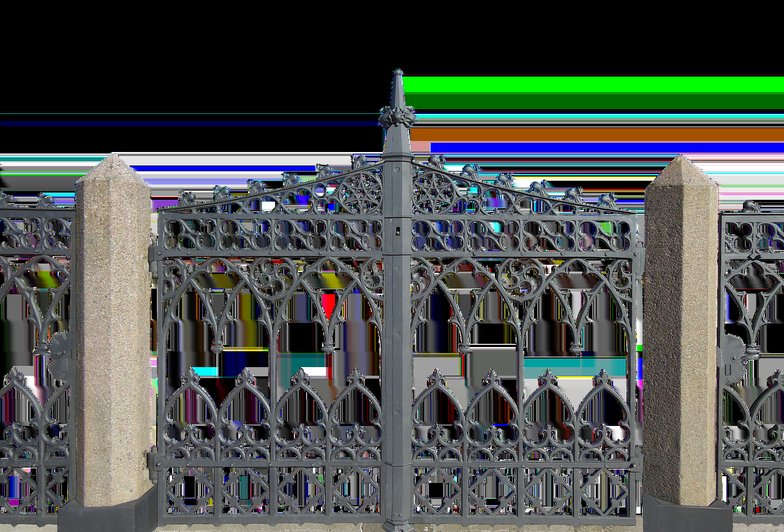
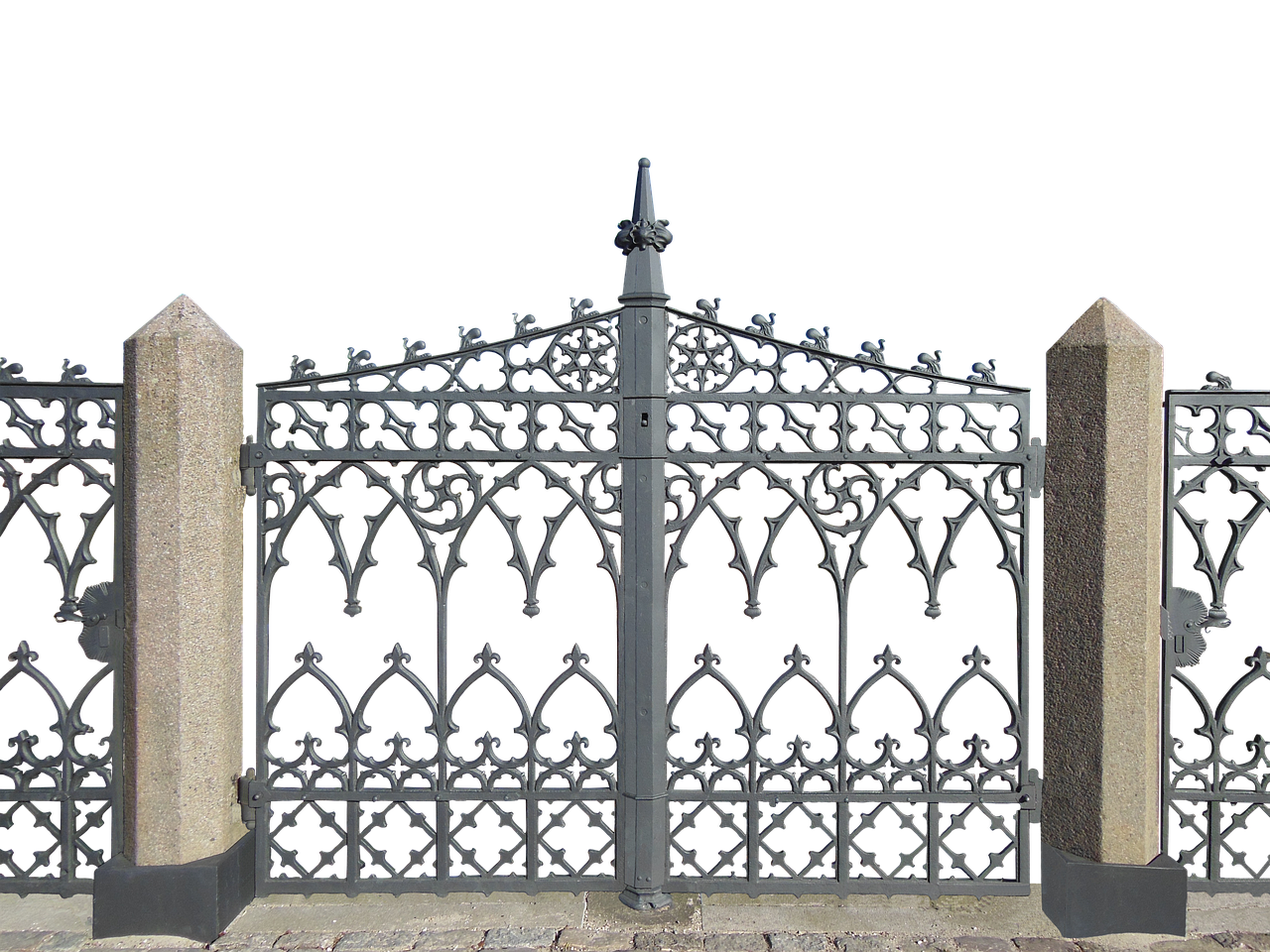
Before the nineteenth century, almost all architectural ironwork was made by hand at a local forge. A blacksmith worked with wrought iron, a fibrous material that could be hammered, bent, and fire-welded. If you look closely at an old railing, you may see faint hammer dimples, slightly irregular thicknesses, and joints that look pinched rather than smooth. These are the signatures of handwork. Cast iron, by contrast, was poured into moulds and became cheap and common only from the late Georgian period onward, exploding in popularity during the Victorian era. Cast iron is uniform, often heavier-looking, and tends to snap rather than bend. A street where every railing is identical is almost certainly Victorian or later.
Reading the Details
Hinges are especially revealing. Early hinges were long straps that reached well across a door or gate because they had to distribute weight without modern screws and fixings. The longer the strap, the earlier the hinge generally is. Decorative flourishes matter too. Simple spearhead or ball finials on railings point to the Georgian period, while fussier scrollwork, leaves, and Gothic motifs suggest Victorian taste. Regency ironwork often has a lightness and elegance that later mass-produced pieces lack.
Repairs tell stories as well. If one section of railing has been replaced with a slightly different pattern, that gap probably marks the spot where iron was removed during the Second World War, when railings across Britain were requisitioned for scrap. Many were never returned, and the mismatched replacements are quiet memorials to that upheaval. Paint layers are another clue: thick, lumpy coatings often hide decades of rust and repeated repainting, while crisp modern powder coating usually signals recent restoration.
What Ironwork Says About a Street
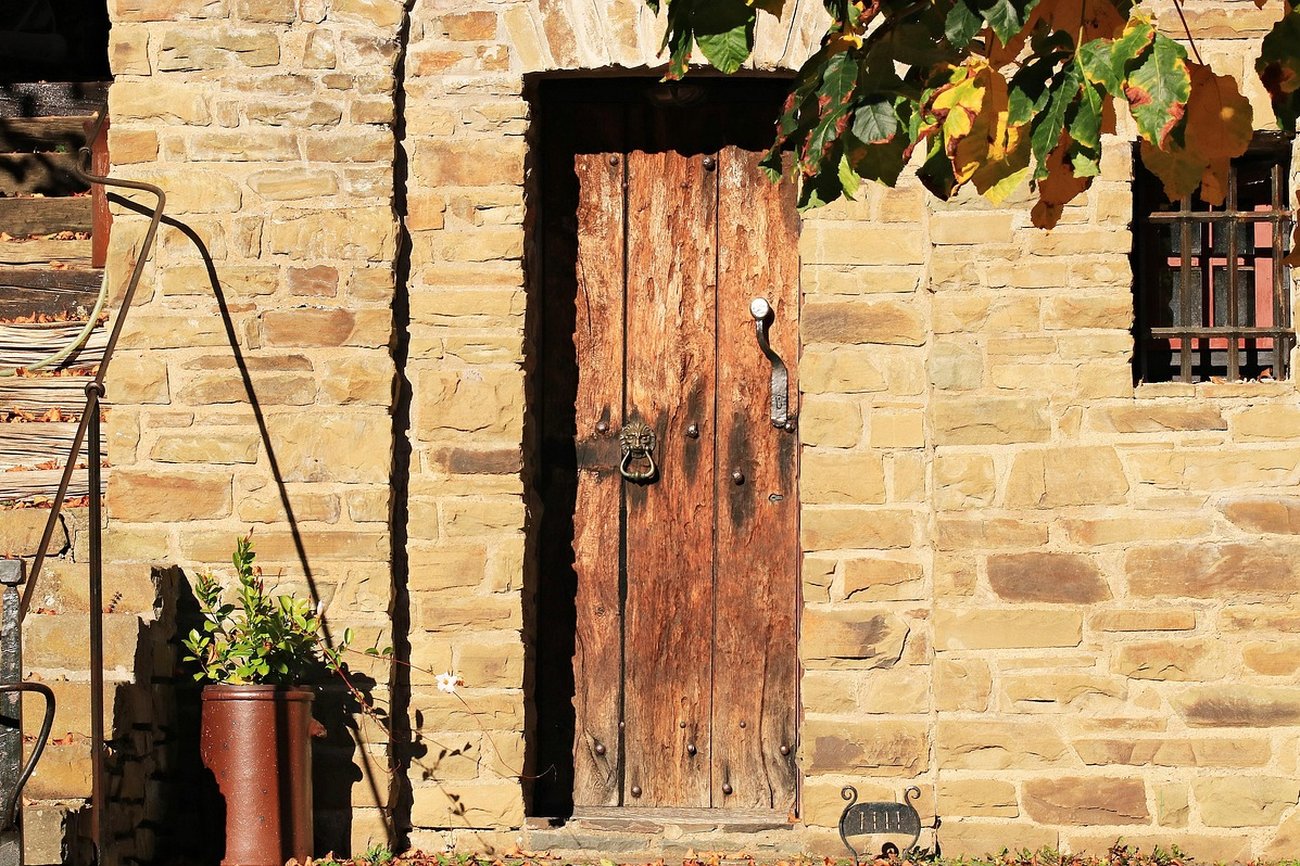
Iron also reveals money and function. Grand terraces were fitted with elaborate gates and railings to keep animals and strangers out. Workers' cottages often had none at all, or only the simplest hooks for hanging washing and shutters. Breweries, warehouses, and workshops left behind sturdy hoist rings, pulley brackets, and heavy door furniture that no ordinary house would need. Once you start noticing these details, a street stops being a backdrop and becomes a document. The next time you pass an old gate, stop and look at how it was made. The smith who shaped it is long gone, but the iron still remembers.
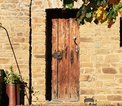




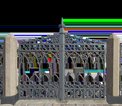

Wrought iron railings, hinges, and window grilles carry the fingerprints of the craftsmen who made them, and learning to read them can date a building faster than any plaque.
Windows are the most frequently replaced part of any old building, which makes them both a trap for the unwary and a treasure map for the patient observer.
Street names are fossilised job adverts, preserving the trades, markets, and industries that once filled a neighbourhood long before anyone thought to write its history down.
Behind the polite frontages of many old streets lies a maze of courtyards, mews, and backlands where the real life of the neighbourhood once happened.
The way bricks are laid, and the size and colour of the bricks themselves, can date a wall, identify its builder's training, and even expose hidden alterations.