





The Slot Machine's Secret Math: What Every Player Should Know
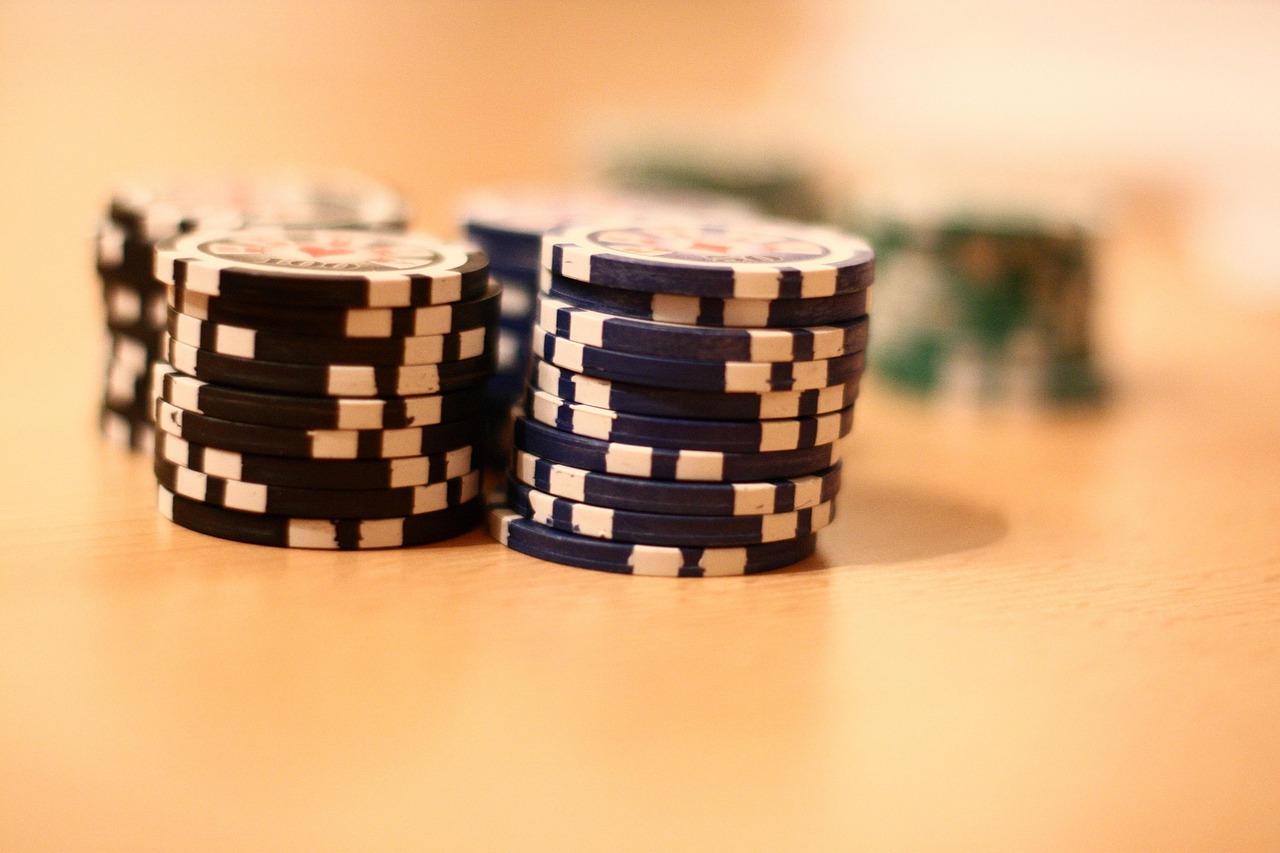
You've probably heard it a hundred times: the casino always wins in the end. But have you ever stopped to wonder how, exactly? It's not luck, and it's certainly not magic. Behind every spinning reel, every hand of poker, and every sports bet sits a quiet, relentless mathematical engine. Understanding that engine won't turn you into a millionaire overnight, but it will change how you play, how much you spend, and how you feel when the odds don't go your way.
Let's pull back the curtain on the iGaming world — not to spoil the fun, but to make you a sharper, more informed player.
RTP, House Edge, and Why They Matter More Than Luck
Two terms get thrown around constantly in gaming circles: Return to Player (RTP) and house edge. They're two sides of the same coin. RTP is the percentage of all wagered money a game is designed to pay back to players over time. House edge is the flip side — the slice the operator keeps.
A slot with a 96% RTP returns €96 for every €100 wagered across millions of spins. That sounds generous until you realize a 4% house edge on high-volume play is a steady, reliable river of profit. Compare that to blackjack, where basic strategy can push the house edge down to roughly 0.5%, or baccarat's banker bet at around 1.06%. The game you choose quietly determines how long your bankroll survives.
Here's the part most players miss: RTP is a long-run average, not a promise. You can play a 97% RTP slot for three hours, hit nothing, and walk away feeling cheated. That's not the machine being unfair — it's variance doing what variance does.
Volatility: The Personality of a Slot
If RTP is the game's long-term generosity, volatility is its personality. Two slots can share identical RTP and feel completely different.
- Low volatility: Frequent small wins. Think of a game that pays €1 or €2 every few spins. Great for stretching a modest bankroll, but unlikely to produce a headline jackpot.
- Medium volatility: A balanced diet of moderate wins and dry spells. Most mainstream slots live here.
- High volatility: Long stretches of nothing followed by potentially massive payouts. Games like Book of Dead or Money Train fall into this camp — thrilling, but brutal on a small budget.
Casinos don't hide this information, but they don't shout it either. If you're playing with €50, a high-volatility slot can feel like watching paint dry. If you've got €500 and patience, that same slot might deliver a session you'll remember for years.
Poker Is a Skill Game Wearing a Casino's Clothes
Poker is the odd one out in the iGaming family. Slots are pure chance. Sports betting is prediction against a bookmaker's margin. Poker, though, is a contest against other humans — and that changes everything. For practical tips, check out สล็อต.
In the long run, the better player wins. Not every hand, not every session, but over thousands of hands, skill separates the profitable from the broke. Key concepts every serious player internalizes:
- Position matters. Acting last gives you information. The button is the most profitable seat at the table.
- Pot odds decide calls. If you're chasing a flush draw, you need the pot to offer better odds than the probability of hitting your card.
- Bankroll management is non-negotiable. A rule of thumb: never buy into a cash game for more than 5% of your total poker bankroll.
- Range thinking beats hand reading. Stop guessing one specific hand — think about all the hands your opponent could realistically hold.
The rake — the small cut the house takes from every pot — is the real house edge in poker. Beat the rake and your opponents, and you profit. It's that simple, and that hard.
Betting Markets: Where Information Beats Emotion
Sports betting has evolved from a back-page pastime into a data-driven industry. Modern bettors track expected goals (xG) in football, pace-adjusted efficiency in basketball, and pitcher spin rates in baseball. The edge comes from knowing something the market doesn't — or interpreting the same data better.
A few practical truths:
- Vig (juice) is your enemy. A standard -110 line means you must win 52.4% of bets just to break even. Most recreational bettors hover around 48-50%.
- Line shopping matters. The difference between -110 and -105 across a season adds up to thousands in saved money.
- Closing line value (CLV) is the sharpest predictor of long-term success. If you consistently beat the closing line, you're onto something.
Chasing losses with parlays and acca boosts is where most recreational bettors bleed money. The math is seductive — a 5-leg accumulator with 10/1 odds looks tempting — but the true probability of hitting all five is often closer to 3%.
Bankroll Management: The Only Guaranteed Edge
You can't control variance. You can't outsmart RTP. But you can control how much you're willing to lose. Bankroll management is the one skill that turns a fun hobby into something sustainable.
A framework that works for most players:
- Set a monthly gaming budget you'd be fine losing entirely — never rent money, never savings.
- Divide that budget into session units. If your budget is €200 a month, treat each €20 session as disposable.
- For slots, pick a spin size around 1/200th to 1/500th of your session bankroll. €100 session? Spin €0.20 to €0.50.
- Walk away when the session dies. Chasing rarely ends well; the math doesn't care about your feelings.
The Bottom Line
Nobody logs into a casino to do homework — and that's fine. But there's a meaningful difference between playing blindly and playing knowingly. The players who last aren't the ones who get lucky once. They're the ones who understand that slots are entertainment with an expected cost, poker is a skill game disguised as gambling, and betting is a war of information against a market that's constantly getting smarter.
You don't need to beat the house to enjoy the game. But knowing where the house's edge lives — and where it doesn't — puts you in a far better position than the person next to you who's convinced the next spin is the one. Play with your eyes open, and the losses sting less, the wins feel earned, and the whole experience gets a lot more interesting.







Before house numbers, a front door did the talking, announcing a builder's wealth, a family's taste, and the century they lived in.
The narrow back lanes most walkers ignore were once the working arteries of the city, carrying coal, milk, gossip, and sometimes trouble.
Hand-painted ads for long-gone shops and products still cling to old buildings, offering a free museum of commercial history at street level.
Scattered across towns are humble stones and markers that once divided parishes, manors, and liberties, shaping everything from taxes to who could sell ale.
Forget the grand facades — the humble fittings on old buildings are often the quickest way to work out when a street was built and who lived there.