




The Real Difference Between Luck and Skill in iGaming
There's a moment every gambler knows: the screen freezes, the reels are one symbol away from a jackpot, and you feel like the outcome is balanced on a knife's edge. Is that skill? Intuition? Or just random chance dressed up to feel meaningful? The answer matters more than most players admit, because it shapes how you choose games, manage your bankroll, and whether you walk away a winner or a cautionary tale. iGaming is a broad church — slots, sports betting, poker, live dealer tables — and each format sits somewhere different on the luck-to-skill spectrum. Understanding where your favorite game falls isn't academic. It's the difference between playing smart and playing hopeful.
Slots: The Purest Form of Random
Let's start with the format that gets the least respect and the most action. Slot machines are, by design, almost entirely luck-based. Modern video slots use a Random Number Generator, or RNG, that cycles through thousands of outcomes per second. When you hit spin, the machine doesn't look at how long you've been playing or how much you've lost — it simply grabs the next number in the sequence and maps it to a result.
That's why the concept of a slot being "due" is fiction. A machine that hasn't paid out in three hours is no more likely to hit than one that just paid a jackpot. The RTP, or return to player, is a long-term statistical average baked into the game's math. A 96% RTP slot returns 96 cents for every dollar wagered — over millions of spins, not over your session. In a single evening, variance dominates.
Does that mean slots are hopeless? Not at all. Skilled slot play exists, but it lives in selection, not in timing. High-volatility slots pay rarely but hugely; low-volatility slots pay often but modestly. Matching that profile to your bankroll and temperament is a real skill. Choosing a 94% RTP game over one at 96% is a conscious decision that costs nothing in the moment but compounds over time.
Sports Betting: Where Information Wins
Sports betting sits much further toward the skill end of the spectrum. The house still holds an edge through the vig, or juice — typically around 4% to 5% on a standard two-way market. But that edge is beatable by bettors who consistently find value.
What does value betting actually look like? It means identifying when the odds offered are higher than the true probability of an outcome. If a bookmaker prices a team at +150 (implied 40% chance) but your research suggests they win 50% of the time in this spot, you've found an edge. Over hundreds of bets, that edge turns a losing proposition into a profitable one.
The skills that matter here are concrete:
- Understanding closing line value, or CLV — if you consistently beat the closing odds, you're probably a winning bettor long-term.
- Specializing in niche markets where books are slower to adjust, like lower-league soccer or player props.
- Line shopping across multiple sportsbooks to squeeze out an extra percentage point.
- Bankroll discipline — flat staking or proportional staking, never chasing losses with doubled bets.
Still, even the sharpest bettor runs into variance. A 55% win rate on -110 bets is genuinely profitable, but it can feel like drowning during a 2-8 stretch. The skill is real; the short-term noise is brutal. Take a look at สล็อต for a fuller picture.
Poker: The One Game Where You Play the Player
Anyone who tells you poker is gambling hasn't spent a weekend at a serious table. Poker is a game of incomplete information where luck dictates individual hands and skill dictates long-term results. The math is unforgiving in its clarity: a professional poker player might win 5 to 10 big blinds per 100 hands. That's a modest edge, but over 100,000 hands it becomes a living.
What separates winners from losers? Position at the table. Hand selection. Reading betting patterns. Understanding pot odds and implied odds. Emotional control during downswings. A skilled player folding 80% of their starting hands is doing something a slot player can't — actively choosing when to engage.
That doesn't mean poker is luck-free. A bad beat — losing with aces to a lucky two-outer on the river — is a statistical certainty, not a moral failing. The distinction is that over time, the better player extracts profit. In slots, there is no better player, only a luckier one.
Live Dealer Games and the Illusion of Control
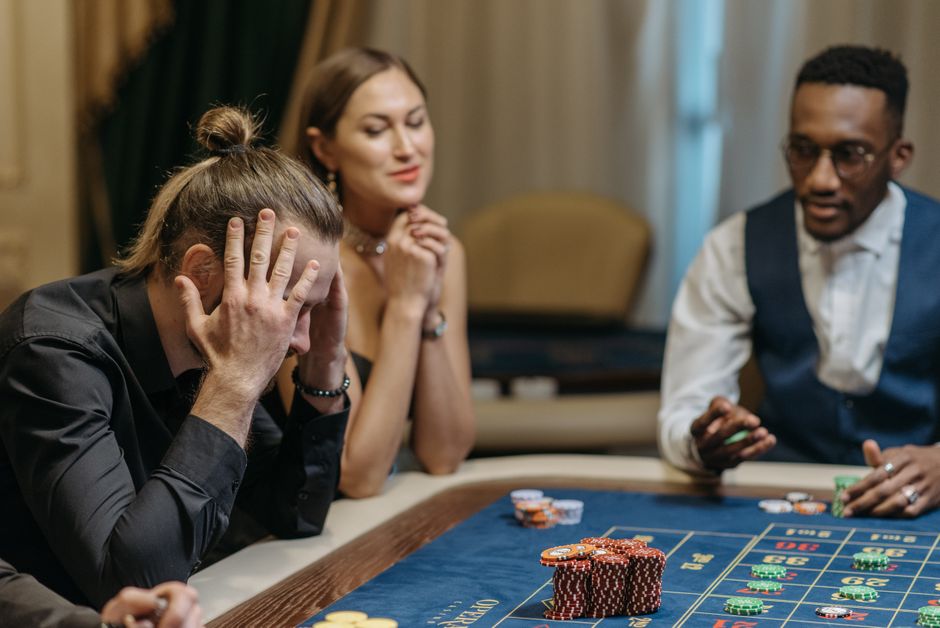
Live dealer formats — blackjack, roulette, baccarat — blur the line because they feel interactive. You're watching a real person spin a real wheel. But the underlying math is identical to RNG tables. Roulette is a fixed-odds game with a house edge of 2.7% on European wheels and 5.26% on American ones. No betting system changes that.
Blackjack is the exception. With basic strategy — a chart of mathematically optimal decisions based on your hand and the dealer's upcard — a player can reduce the house edge to around 0.5%. Add card counting and the edge can tip slightly in the player's favor, which is precisely why casinos shuffle frequently and ban suspected counters. That's the closest live gaming gets to genuine skill expression, and it's still a grind.
How to Apply This Without Killing the Fun
None of this is an argument against playing luck-based games. Slots are entertainment, and there's nothing wrong with paying for entertainment. The problem arises when players mistake luck games for skill games and chase losses accordingly.
- Pick your arena consciously. If you want a fair shot at profit over time, lean toward poker and value betting.
- If you play slots, treat the budget as a night out — spent, not invested.
- Track your results honestly. A spreadsheet beats a memory every time.
- Never increase stakes to recover losses. That's the single most reliable way to blow up a bankroll.
The Takeaway Nobody Wants to Hear
The iGaming industry sells excitement, and excitement thrives on ambiguity. The moment you clearly label a game as luck or skill, some of the magic evaporates. But clarity is your best defense against the house edge — and your best tool for finding the games where effort actually pays. Play slots like a lottery ticket, bet sports like an investor, and play poker like a chess match. Those frames are honest, and honest frames keep you in the game longer, both financially and emotionally.







Before house numbers, a front door did the talking, announcing a builder's wealth, a family's taste, and the century they lived in.
The narrow back lanes most walkers ignore were once the working arteries of the city, carrying coal, milk, gossip, and sometimes trouble.
Hand-painted ads for long-gone shops and products still cling to old buildings, offering a free museum of commercial history at street level.
Scattered across towns are humble stones and markers that once divided parishes, manors, and liberties, shaping everything from taxes to who could sell ale.
Forget the grand facades — the humble fittings on old buildings are often the quickest way to work out when a street was built and who lived there.